
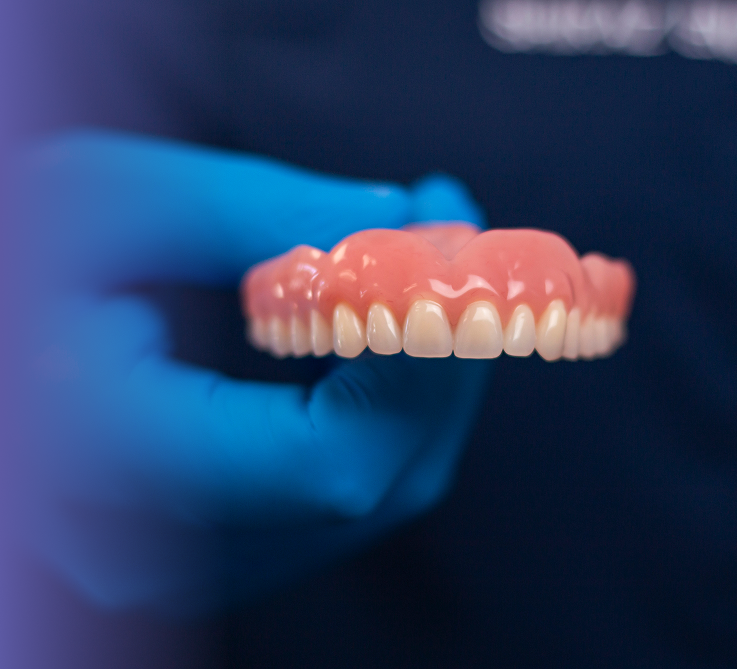
When people first receive full dentures, they often feel relief; finally, they can chew comfortably and smile with confidence again. But as months or years pass, many begin to notice changes. The dentures that once fit perfectly start to feel loose. Chewing becomes harder, sore spots appear, and the denture may move more than it used to. This shift is frustrating, but it’s also normal. At Shiraz Endodontics, we help patients understand why this happens and what we can do to restore comfort and stability.
The main reason denture fit changes is jawbone resorption, a process that naturally occurs after tooth loss. Knowing how and why this happens makes it easier to address problems early and protect your long-term oral health.
Why Does Jawbone Resorption Happen?
Your teeth do more than chew food; they keep your jawbone healthy. Each time you bite or chew, the roots of your teeth send signals to the bone, telling it to stay strong and active. When teeth are missing, these signals stop. Without stimulation, the bone slowly begins to shrink.
This shrinking process is called jawbone resorption, and it happens to everyone who loses teeth, whether they wear full dentures or not. The bone becomes thinner and shorter over time, changing the shape of your gums and jawline. Because dentures rest on the gums and bone, even small changes can alter the fit.
Many patients are surprised at how early these changes begin. Bone loss can start within a few months of tooth removal and continue for years. That’s why a denture that once fit snugly can eventually become loose.
How Bone Loss Changes Denture Fit
As the bone shrinks, the denture no longer sits on the same shape it was designed for. This can cause:
- Movement while speaking or chewing
- Gum irritation
- Clicking sounds
- Food getting trapped
- Reduced bite force
- Changes in the face shape or lip support
These issues don’t mean your full dentures were made incorrectly. They simply need to be adjusted to match your changing mouth. Our goal is to catch these changes early so you stay comfortable and confident.
The Difference Between a Reline and a Remake
At Shiraz Endodontics, we use several methods to improve denture fit, depending on how much the bone has changed.
Reline
A reline adds new material to the underside of your existing denture so it fits the updated shape of your gums. This is helpful when the denture is still in good condition, but the fit has loosened. A reline can make full dentures feel more secure without needing a completely new set.
Remake
When the jaw changes significantly, or when the denture itself has worn down, we recommend making a new denture. This allows us to redesign the entire fit, improve comfort, and restore your bite. A remake is usually needed every few years, depending on how quickly your bone structure changes.
Both options help improve stability, but the right choice depends on your individual needs. We guide you through each step to make sure you stay comfortable.
Implant Support: A Stronger, More Long-Term Solution
For many patients, the most effective way to manage bone loss is to use dental implants to support their dentures. Implants act like artificial roots and send signals that help keep the jawbone stronger over time. Because they stop or slow bone resorption, they help full dentures fit better for longer.
Implant-supported dentures attach securely to implants, which prevents shifting and gives a more natural feel when chewing. You can speak, eat, and smile without worrying that the denture will move.
This option is especially helpful for patients who:
- Struggle with long-term denture looseness
- Want a more stable bite
- Prefer to avoid heavy adhesives
- Want a more natural look and feel
- Have difficulty eating certain foods
Even patients who have worn traditional full dentures for years may still qualify for implant support. We assess bone levels and discuss the best way to improve function and comfort.
Why Regular Check-Ups Matter for Denture Wearers
Some denture wearers assume that once their teeth are replaced, they don’t need dental visits anymore. But regular check-ups are important. We examine the gums, assess bone levels, check for sore spots, and make sure your full dentures are functioning properly.
Having your dentures evaluated every six to twelve months helps us catch bone changes early and adjust your treatment plan before problems worsen.
How We Manage Bone Changes at Shiraz Endodontics
We use a combination of expertise, advanced imaging, and personalised care to manage denture fit over time. Our approach includes:
- Careful examination of gum and bone changes
- Digital imaging to monitor bone resorption
- Professional relines for improved comfort
- Full denture remakes when needed
- Implant support options for long-term stability
Our goal is simple: help you feel confident with your dentures and maintain a healthy, comfortable bite.
Tips for Keeping Your Dentures Comfortable Longer
You can help your dentures last longer and stay more comfortable by:
- Keeping them clean every day
- Removing them at night to let the gums rest
- Storing them properly in denture solution
- Avoiding very hard foods that stress the bone
- Visiting us regularly to monitor bone changes
These simple habits support the health of your gums and help slow denture loosening.
Final Thoughts
Denture fit changes are natural, but they don’t have to disrupt your life. Jawbone resorption is a normal part of tooth loss, yet with the right care, you can stay comfortable and confident for years. At Shiraz Endodontics, we help patients maintain and improve their full dentures through relines, remakes, and implant-supported options.
If your dentures are starting to feel loose or uncomfortable, it may be time for a check-up. The solution is often simple, and we’re here to guide you every step of the way.